
Why a credit score is not the most important thing about a potential tenant
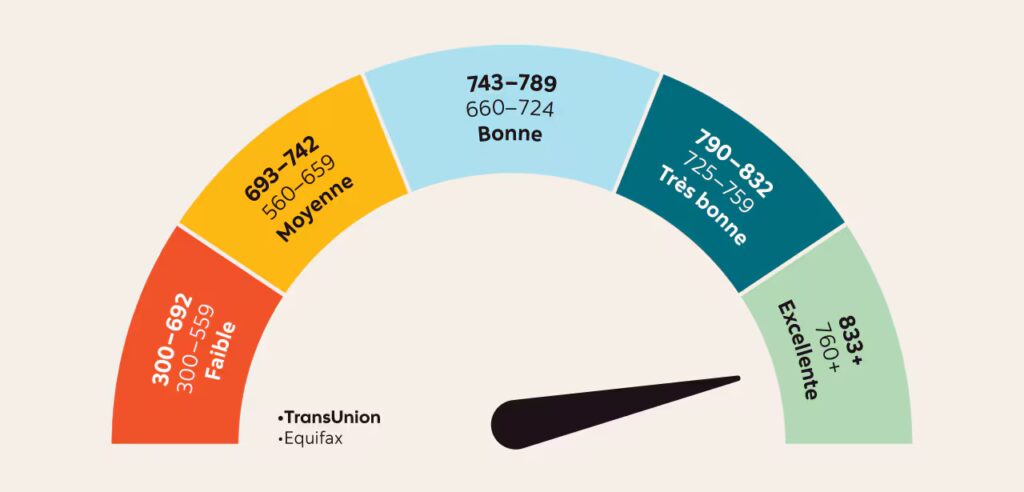
A credit score is useful. It can be a strong indicator of payment habits and financial discipline. But it is not the full story, and treating it like the only decision point can lead to bad outcomes for landlords and for good tenants who deserve a fair evaluation.
If you want to screen tenants properly, you need to look beyond the number and understand what the credit report is really telling you.
A credit score is a snapshot, not a full biography
Credit scores are built from what is reported to credit bureaus and when it is reported. That matters because someone can sometimes appear stronger on paper at a specific moment in time, even if their overall financial situation is more fragile than the score suggests.
This is why you should never rely on the score alone. You should read the full report and focus on patterns.
What we look at beyond the score
When we run a credit check, we do not stop at the score. We look at the payment history and the overall profile.
We are also careful about privacy and consent. In Quebec, a landlord must obtain the prospective tenant’s consent to do a credit check, and the Tribunal administratif du logement explains how landlords should limit the personal information they collect and use.
We have partnered with CORPIQ, a Quebec organization, and we use its screening tools to help us evaluate applicants more thoroughly. CORPIQ’s ProprioEnquête service is designed specifically for pre rental screening, including credit information and other checks depending on the package.
Payment habits matter more than a perfect score
One of the most valuable parts of a credit report is the payment behaviour over time. You can often see whether the person consistently pays on time or whether late payments are becoming a habit.
Here is a realistic way to interpret what you see
No late payments over several years is usually a very strong sign
One or two late payments on small accounts like phone or internet can happen, and context matters
Multiple late payments appearing recently, especially close to the moment they apply, can be an early warning sign of financial stress
The trend matters more than the number.
Debt to income is where many risks hide
A credit report can also help you estimate the debt load.
Even with a strong score, someone might be carrying heavy monthly obligations. Minimum payments on credit cards, a car payment, personal loans, and other debts can reduce what is realistically available for rent.
This is why we look at debt to income. We compare monthly income against known monthly debt obligations and we ask a simple question
After debts are paid, is there enough room left for rent and normal life expenses
And it is important to remember that many essentials are not shown on a credit report, such as Hydro, groceries, gas, and day to day costs. So you need to leave a realistic cushion.
Checking TAL history can be useful, but it requires judgment
In Quebec, you can consult Tribunal administratif du logement decisions. The TAL explains how to search decisions through SOQUIJ.
If you find a decision related to a prospective tenant, the key is to read it carefully and keep your approach fair and individualized.
Not every TAL file means the tenant is a problem. Sometimes the facts show the landlord was at fault, such as serious maintenance issues. In other situations, the decision may show serious tenant misconduct.
The goal is not to blacklist people. The goal is to understand risk based on facts, context, and behaviour.
Also remember that Quebec human rights obligations apply to housing and landlords should avoid discrimination based on protected grounds.
Criminal record checks require extra caution and a respectful approach
Some screening products include a criminal record check. CORPIQ’s own support material describing ProprioEnquête packages lists options that may include a criminal record check depending on the level of screening selected.
If you use that kind of information, be careful, consistent, and respectful. Not every offence is relevant to housing risk, and decisions should be based on legitimate concerns, not fear or stigma.
For general information on discrimination in housing, Educaloi explains the principle that landlords must not discriminate on protected grounds and also describes situations where landlords may refuse in some cases, while still staying within the law.
This article is general information only and not legal advice. For a specific situation, consult the TAL or a qualified legal professional.
The real takeaway
A credit score is a great starting point, but it should never be the finish line.
A strong screening process looks at
Payment habits over time
Recent changes and trends
Debt to income and monthly obligations
Stable income and references
Legal and privacy compliant processes with consent
That is how you reduce risk while staying fair, consistent, and professional.
https://www.tal.gouv.qc.ca/en/signing-a-lease/leases-and-protection-of-personal-information
https://www.corpiq.com/en/services/62-proprioenquete-pre-rental-screenings/
https://aide.corpiq.com/en/support/solutions/articles/24000086437-what-are-the-pre-rental-screening-packages-offered-by-proprioenqu%C3%AAte-
https://proprioenquete.com/en/why-choose-proprio-enquete-to-do-a-pre-rental-screening/
https://www.tal.gouv.qc.ca/en/decision/search-for-a-decision
https://educaloi.qc.ca/en/capsules/housing-no-discrimination-allowed/
https://www.cdpdj.qc.ca/en/our-services/toolbox/rent-without-discrimination
https://www.priv.gc.ca/en/privacy-topics/landlords-and-tenants/privacy-in-the-landlord-and-tenant-relationship/